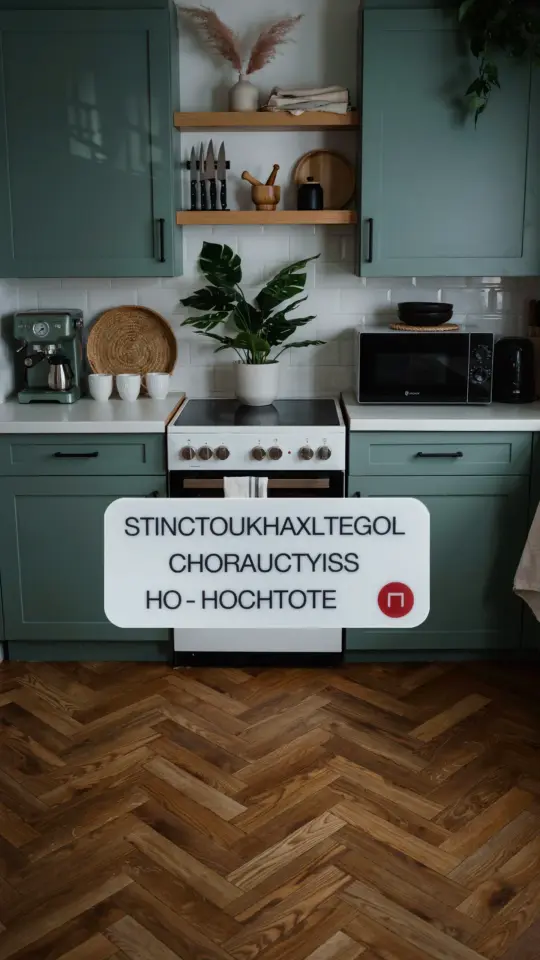
You know that feeling when you open a kitchen drawer and it’s a jumble of spatulas, measuring spoons, and that one random takeout menu? Or when you have to move four appliances to reach the cutting board? I’ve been there, and I bet you have too. If you are searching for small kitchen storage tips that actually work, the most common pitfall is trying to shove everything into existing cabinets without a real plan. The good news is that most tiny kitchens can be transformed with a few smart shifts in thinking. Let’s walk through the biggest mistakes people make and how to fix them.
Mistake #1: Ignoring Your Walls and Vertical Space
When counter space is tight, the emptiest spot is often the vertical real estate above your work area. Many people only stack things on countertops and forget that walls can carry a lot of weight. Mounting a magnetic knife strip frees up a drawer and keeps blades safe. Installing a pegboard or a simple rail with hooks for mugs, utensils, or small pots changes everything.
A friend of mine rents an apartment with tiny counters. She hung a metal grid from a hardware store and added small baskets for spices and oils. It looks intentional and saves her from digging through cabinets. Just check your wall material before drilling, especially if you rent. Command strips or adhesive hooks work on tile and smooth paint.
Mistake #2: Letting Drawers Become Black Holes
Drawers in a small kitchen tend to collect everything from takeout packets to random pens. Without dividers, you lose track of what you own and end up buying duplicates. This is where drawer organization tips for small kitchens make a real difference. You don’t need a custom insert. Bamboo expandable dividers or even small bins from the dollar store can corral utensils, measuring cups, and lids.
- Use adjustable dividers to separate baking tools from everyday spatulas.
- Stand items upright instead of stacking them. It sounds small, but you can see everything at a glance.
- Place a shallow tray for loose items like garlic presses or herb scissors so they don’t slide around.
Mistake #3: Hiding Everything in Deep Cabinets Without Pull-Out Shelves
I have lost casserole dishes in the back of a lower cabinet more times than I can count. The mistake is assuming that shelf space equals accessible space. Adding pull-out shelves or simple wire baskets lets you reach items in the back without playing a game of kitchen Jenga. If you rent, look for stick-on or tension rod solutions that don’t require permanent installation.
One trick that changed my own kitchen was using a tiered shelf inside a deep cabinet for canned goods. You can also buy slide-out drawers that mount onto existing shelves. They are not expensive and they prevent the dreaded “I forgot I had that” syndrome. Even a lazy Susan in a corner cabinet can double your usable area.
Mistake #4: Forgetting About Cabinet Door and Interior Surfaces
Cabinet door storage is one of the most underused hacks. The inside of a cabinet door is prime real estate for small items like pot lids, cutting boards, or measuring spoons. Over-door wire racks can hold spices, foil, and plastic wrap. But watch the weight, especially on older cabinets.
For upper cabinets, consider adhesive hooks on the inside to hang oven mitts or small colanders. You can also stick a mini magnetic strip on the door for knife storage if you have the clearance. This keeps everything visible without cluttering drawers or counters. Just measure the depth before buying anything so the door still closes properly.
Mistake #5: Using Opaque Containers That Hide What’s Inside
I used to keep flour, sugar, and pasta in colorful canisters because they looked cute. Then I kept buying bags of rice because I couldn’t remember what I had. Clear containers are a simple fix for small kitchen organization. When you can see the contents, you prevent overbuying and save space.
Uniform, stackable glass or plastic jars also make your pantry look intentional. Add labels if you want extra clarity, but transparency alone helps you find things fast. The key is to decant bulk items into containers that fit your shelf height. Tall jars for spaghetti, square ones for oats. This way you use every inch without the guessing game.
Mistake #6: Neglecting Awkward Nooks and Corners
Every small kitchen has at least one weird spot. A gap between the fridge and the wall, a narrow space next to the stove, or a corner cabinet that seems useless. The mistake is leaving these spaces empty or stuffing them with junk that is hard to reach. Instead, think of them as opportunities for creative corner storage solutions for small kitchens.
For that skinny gap, a rolling cart or a narrow pull-out shelf
#smallkitchenstorage #kitchenorganization #kitchendesign #storagehacks #kitchendecorideas
This post was researched and drafted with AI assistance, then personally reviewed and edited by Mia before publishing.
Leave a Comment