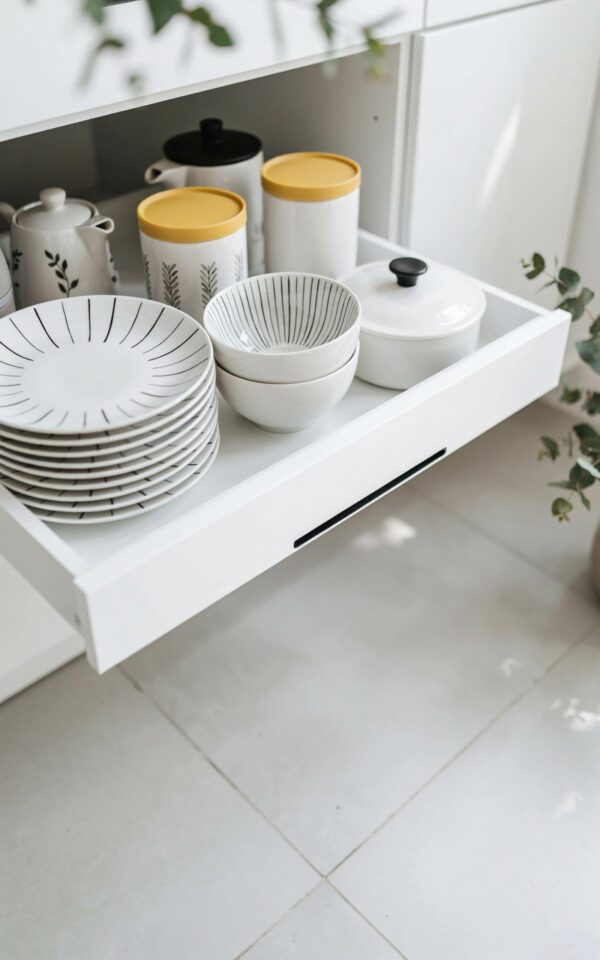
You know that feeling when you open a kitchen cabinet and a stack of plastic containers tumbles out? Or when you have to move three pots to reach the salt shaker? I have been there too. That is exactly why I started looking into better kitchen shelf organization. For a small kitchen, every inch of shelf space matters. A few smart changes can turn a cluttered mess into a calm, functional workspace where you actually enjoy cooking.
Start With a Shelf Audit and Clear Out the Clutter
Before you buy any new bins or baskets, take everything off your shelves. Yes, everything. Lay it all out on your counter or floor. This gives you a honest look at what you actually own and use.
Sort items into three piles: keep, donate, and trash. Be realistic about that bread machine you have not touched in two years or the set of mismatched Tupperware lids. If you have not used it in six months and it is not a seasonal specialty item, let it go. A good declutter session can free up 30 to 40 percent of your shelf space right away.
After you clear the extras, wipe down every shelf. A clean surface makes the new organization feel fresh and inviting.
Choose the Right Shelves for Your Small Kitchen
Not all shelves are created equal, especially in a small kitchen. Open shelving is popular, but it requires daily tidiness. If you prefer a more tucked away look, consider adding a narrow shelving unit in a corner or beside the fridge. Even a 12 inch wide unit can hold spices, oils, and small jars.
For existing cabinets, adjustable shelves are a game changer. Move them up or down to fit taller bottles or stack sturdy dinner plates. If your shelf heights are fixed, use under shelf baskets or wire racks to add a second layer of storage inside your cabinets. That way you use the air space that usually goes to waste.
- Corner shelves turn dead corners into mini pantries for jars and canned goods.
- Over the sink shelves hold dish soap, sponges, and scrub brushes.
- Magnetic spice racks stick to metal cabinet fronts or the side of the fridge.
- Stackable shelf risers double your counter space for mugs or cutting boards.
Group Items by Use and Frequency
Once your shelves are clean and adjusted, think about how you use the kitchen. This is the real secret to a lasting kitchen organization system. Store everyday items at eye level or directly above your prep zone. Things you use once a month can go on higher shelves or in the back.
Group similar categories together. All baking supplies on one shelf: flour, sugar, baking soda, vanilla extract. All canned goods on another shelf, sorted by type (beans, tomatoes, broth). This logic makes grabbing what you need almost automatic. You no longer hunt through five different spots for a can of black beans.
Use small, clear bins for food packets, tea bags, and snack packs. Clear containers let you see what is inside without pulling everything out. That simple habit prevents buying duplicates and wasting money on items you already have.
Use Baskets, Bins and Labels to Corral Loose Items
Loose items like foil, plastic wrap, and dish towels easily turn shelves into a jumbled pile. Baskets and bins are the answer. They create boundaries so each category stays put. I like woven baskets for a warm look and clear acrylic bins for a sleek, modern feel.
Labels take this a step further. A small label on a bin saying “Pot holders” or “Lunch containers” helps everyone in the household put things back in the right spot. No more guessing. It also makes your household organization feel more deliberate and tidy.
For deep shelves, use a tiered can organizer or a lazy Susan. You can spin the back items to the front with one hand. That is a huge time saver when you are cooking and need a specific spice or can quickly.
Store Vertical and Use Wall Space Above the Counter
When floor and counter space is tight, go up. Wall mounted shelves above the counter add storage without taking up precious work area. Install a narrow shelf between the counter and upper cabinets for everyday cooking oil, salt, and pepper. Another shelf near the sink can hold a mug tree or a small plant.
Inside cabinets, use vertical dividers for baking sheets, cutting boards, and cooling racks. Instead of stacking them flat (which makes you dig to the bottom), stand them upright. You can pull out any pan without disturbing the others. That is a simple space saving trick that works in any kitchen size.
Also think about the inside of cabinet doors. A small rack on the door holds spice jars, measuring spoons, or cleaning spray bottles. It turns a flat surface into bonus storage
#kitchenshelf #kitchenorganization #spacesaving #kitchenhack #household
This post was researched and drafted with AI assistance, then personally reviewed and edited by Mia before publishing.
Leave a Comment